

Micro-budget Case Study #58
Paranormal Activity

When I think of micro-budget success stories, one of the first films that comes to mind is Paranormal Activity. Its $15,000 budget is a benchmark that’s hard to comprehend when you look at how successful the film was and the legacy it left in its wake. It spawned 6 sequels that put the franchise’s box office total just shy of a billion dollars. Impressive for a film made with such a small budget. Director Oren Peli didn’t try to make a small movie feel big. He made a tiny movie feel so intimate that everyone watching felt like they were sharing the danger with the protagonists.
Oren Peli loved movies, so instead of waiting for permission to make his own film, he decided to teach himself how to be a filmmaker. He read every book he could on the subject, learned editing and visual effects, and became proficient with a camera. This DIY approach would help him realize his dream of becoming a director and became one of Paranormal Activity’s greatest strengths. Without industry expectations weighing him down, Peli approached filmmaking like a technician with problems to solve rather than someone trying to replicate expensive studio productions.
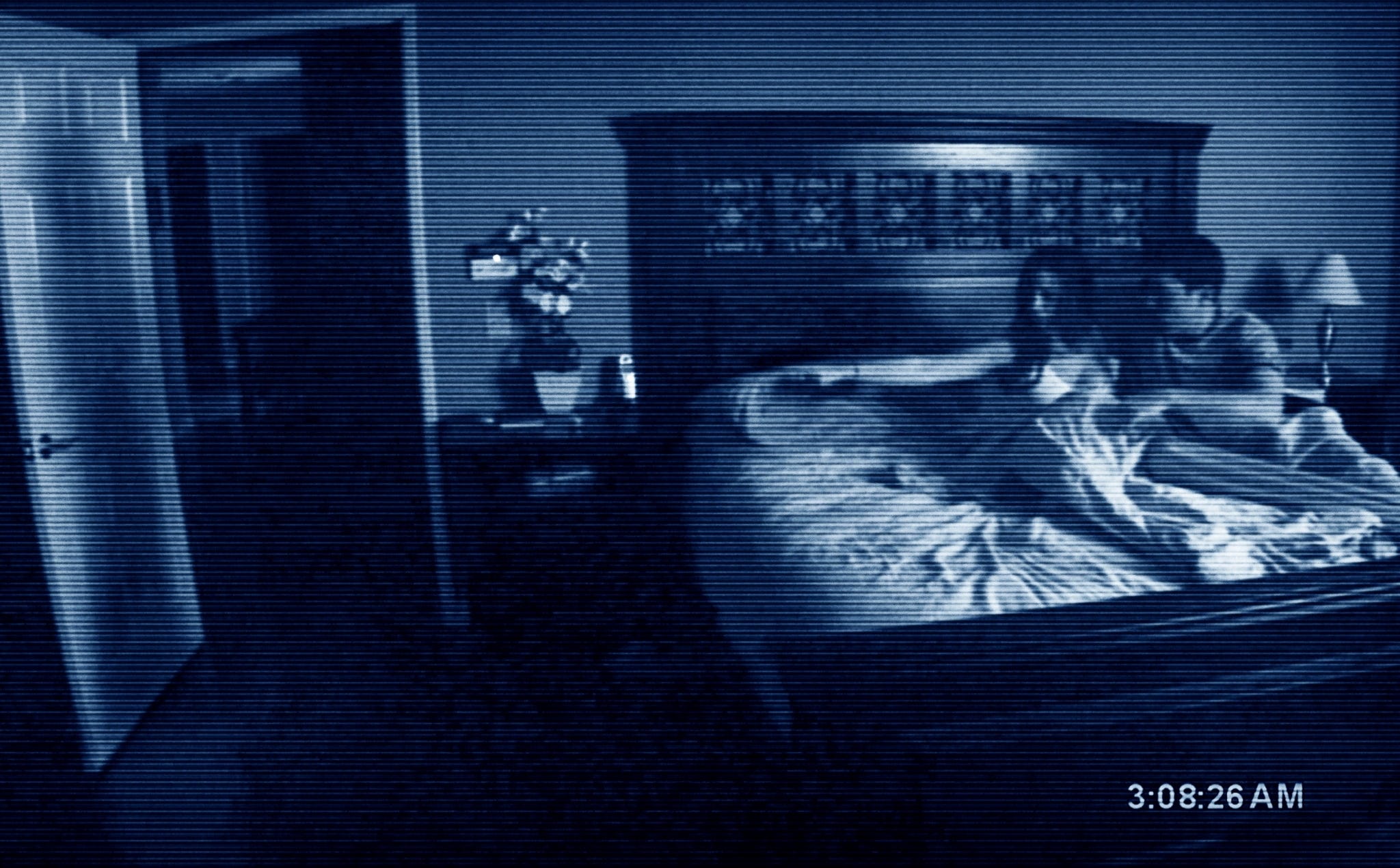
In my opinion one of the best decisions Peli made was choosing the found footage format for Paranormal Activity. Blair Witch had already primed audience acceptance of the format, but instead of trying to imitate its shaky-cam style, Peli decided to use something even more unsettling, stillness. Much of the film unfolds through static shots captured by a stable camera. This approach forces the audience to scan every corner of the frame waiting for something to happen. The longer they waited with nothing happening, the more unbearable the tension became. Every time I watch this movie I wish I’d thought of it.
Production took place mainly in Peli’s own home, which eliminated the expense of locations. He didn’t need to secure permits, there were no company movies, no rental fees, and no complicated scheduling. Also, the simple suburban setting felt real because it wasn’t over-dressed to look like a movie set. It adds an element of Believability to the story that you just can’t get on a soundstage. The cast was made up of mostly unknown actors, helping sell the illusion of reality. Improvisation was encouraged on set, which helped as well. The actors were given scene objectives and beats, but the conversations were allowed to flow naturally. The entire production was a masterclass in punk rock producing.
For his camera needs, Peli used a Sony HD camcorder instead of an expensive camera package. He didn’t worry about image quality, in fact the compressed digital image helped to reinforce the authenticity of the footage. If it had been shot on 35mm or an expensive digital camera with elaborate lighting much of the illusion of reality would have disappeared. Instead of using a truck full of lights, the production used practical lighting that was already in the house. Darkness became part of the story, and forced the audience to search the frame for movement, making them active participants in the story.
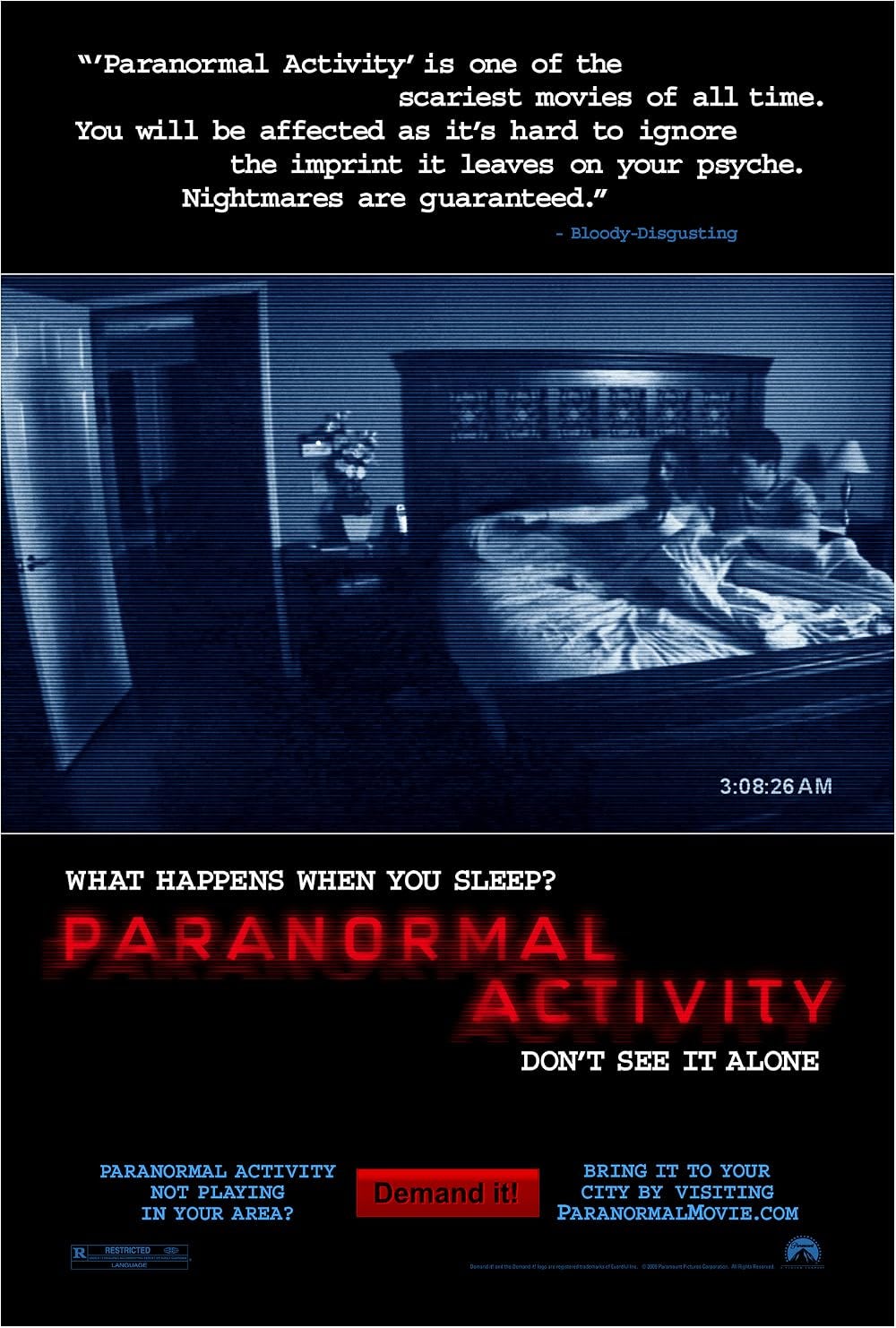
Once the film was in the can, Peli struggled to find distribution, so he submitted it to festivals in the hopes that someone would notice it. Paranormal Activity premiered at Screamfest, where it immediately garnered strong reactions. It didn’t take long for DreamWorks to enter the picture. At first there was talk about a big-budget remake with Peli directing it. A common Hollywood response to anything that doesn’t fit its normal sweatshop mentality. Thankfully, executives realized that the rawness was part of the film’s appeal, so rather than remaking it, Paramount Pictures decided to release it as is, except with a newly filmed ending.
Instead of relying on expensive advertising, Paramount built the film’s release around audience demand. Audiences could request screenings in their hometowns, generating interest all over the country. It didn’t take long for the film to expand its release, and what a release it was. The film went on to earn $194 million. That kind of return on investment is the stuff of legend, and of course it ignited a path to sequels almost immediately.
Many filmmakers begin with the movie they wish they could afford, then cut corners until it fits their budget, but Peli did the opposite. He looked at what he had available and built the film around that. This mindset is what allowed him to make the film on his own terms. Nearly two decades later, Paranormal Activity remains a horror classic. It proves that audiences don’t care what is spent on a movie, or what camera is used, as long as the story is good. Creativity is always more memorable than expensive imitation.