

Micro-budget Case Study #46
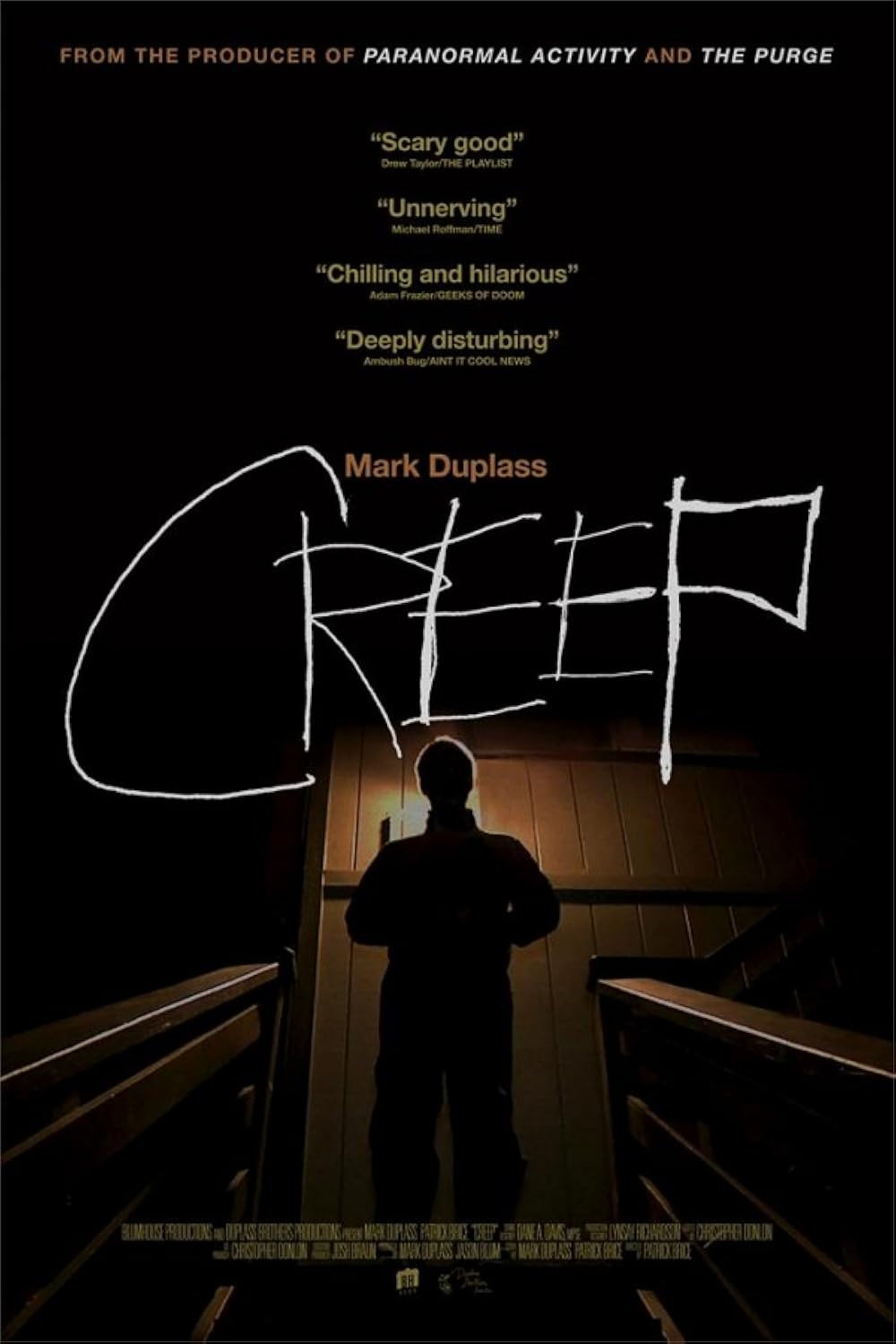
Creep

When Creep premiered at South by Southwest in 2014, it didn’t arrive with the usual indie calling cards, no polished screenplay, no recognizable production infrastructure, no traditional crew hierarchy. What it had instead was something far more aligned with a true micro-budget ethos: trust between collaborators, a good idea, and the willingness to discover the film in real time.
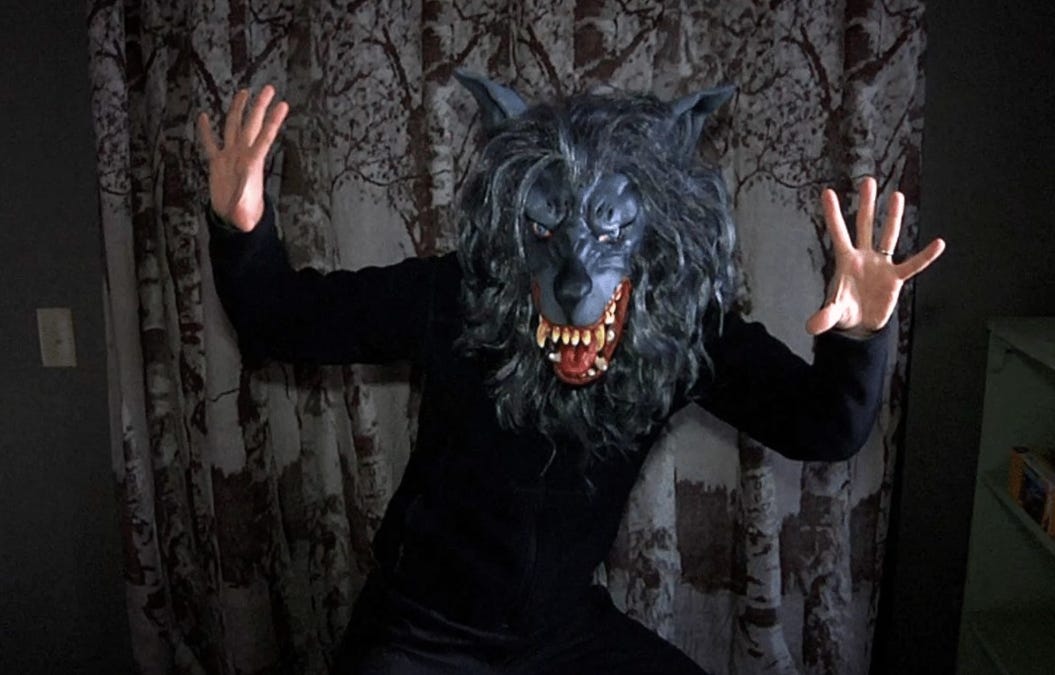
At its core, Creep is a two-hander between director Patrick Brice and co-writer/star Mark Duplass. The film follows a videographer who answers a Craigslist ad to film a man’s personal video diary, only to find himself trapped in an increasingly disturbing psychological game. The premise is simple, but its execution is what makes the film work so well.
Unlike most independent films, even low-budget ones, Creep didn’t begin with a finished screenplay. Instead, Brice and Duplass developed the project through conversations and character exploration. They wrote a rough outline and used that as a jumping-off point for improvisation. This method aligns with many of my previous case studies. This no-script way of working removes the illusion that a finished script is the only path forward. In Creep, the script is replaced by trust and skill.
The production model is also super stripped down. I can’t find an exact budget, but from what I found, it’s somewhere between $2,000 and $10,000. With what little money they did have, a skeleton crew (essentially the two leads and a sound person) shot the film on a single prosumer camera, leaning into the found-footage aesthetic as a stylistic choice. Locations were limited and practical, often with little to no production design. Natural light and handheld shooting eliminated the need for traditional lighting setups and grip gear.
This is the one-bag production philosophy in action. The film doesn’t pretend to be bigger than it is. Instead, it uses its limitations to its advantage. The camera is diegetic, the performances are raw, and the lack of polish fits the narrative. Even more importantly, the improvisational approach allowed the actors to create genuine discomfort and unpredictability. The character of Josef, played by Duplass, feels unsettling precisely because he doesn’t follow scripted beats. The film becomes less about plot mechanics and more about behavioral tension.
One of the most revealing aspects of Creep’s production is how it evolved after shooting. Early cuts of the film leaned more towards dark comedy. It was only after screening footage for peers that the filmmakers began to push it more firmly into psychological horror. This feedback loop is a key takeaway. Instead of locking the film in, Brice and Duplass allowed the project to evolve in response to peers’ feedback. They treated the film as a living object that could shift based on audience reactions.
Creep premiered at South by Southwest. SXSW is a particularly strategic launchpad for films like this, genre-adjacent, experimental, and built on personality rather than spectacle. The festival audience is primed for discovery, and Creep thrives in that environment because it feels like something you found, not something engineered.
The film didn’t explode overnight, but it generated enough buzz to position itself as a viable acquisition target. Creep was acquired by The Orchard for U.S. distribution, with a video-on-demand release in June 2015. Shortly after, it found a global audience through Netflix, which became the film’s true breakout moment.
The film didn’t rely on theatrical rollout or traditional marketing. Its success came from accessibility and word of mouth. Once it hit streaming, it became the kind of film people recommend late at night.
Despite its minimal resources, Creep didn’t just succeed, it expanded. The film spawned a sequel (Creep 2 in 2017) and later a spin-off series (The Creep Tapes), proving that even the smallest projects can generate long-term IP if the core idea is strong enough. More importantly, it redefined what a professional film could look like. There’s no traditional crew structure, no polished cinematography, no elaborate production design, and yet, it works.
Creep is one of the clearest modern examples of NonDē filmmaking before the term was widely used. It rejects permission, embraces limitation, and builds its identity around what’s available rather than what’s missing. If most micro-budget films fail because they try to imitate larger productions, Creep succeeds because it refuses to do so. It leans into discomfort, intimacy, and unpredictability. It feels less like a movie and more like something you weren’t supposed to see, and that’s exactly why it works.