

Micro-Budget Case Study #1
Guacamole Yesterdays

For a time I was posting about things that I’m into on Fridays, but I’ve decided that I want to provide more value than that to the few people that are reading this Substack. So, starting today I am going to be posting micro-budget case studies on films that you may or may not have heard of and share everything that I’ve learned about said films. I’m starting with Mirror Box Film’s Guacamole Yesterdays. Most of the information I’m using for this case study comes from their wonderful and informative Substack, and a Q&A Hudson Phillips did with my film class.
Before I jump into the case study I want to drop a link to the film’s Apple TV pre-order page. If you’re a fan of indie cinema, then dropping a small amount of coin to help support truly independent artists is the least you can do. So, when you’re finished reading this post click HERE and support independent filmmaking. Now, let’s get into it.
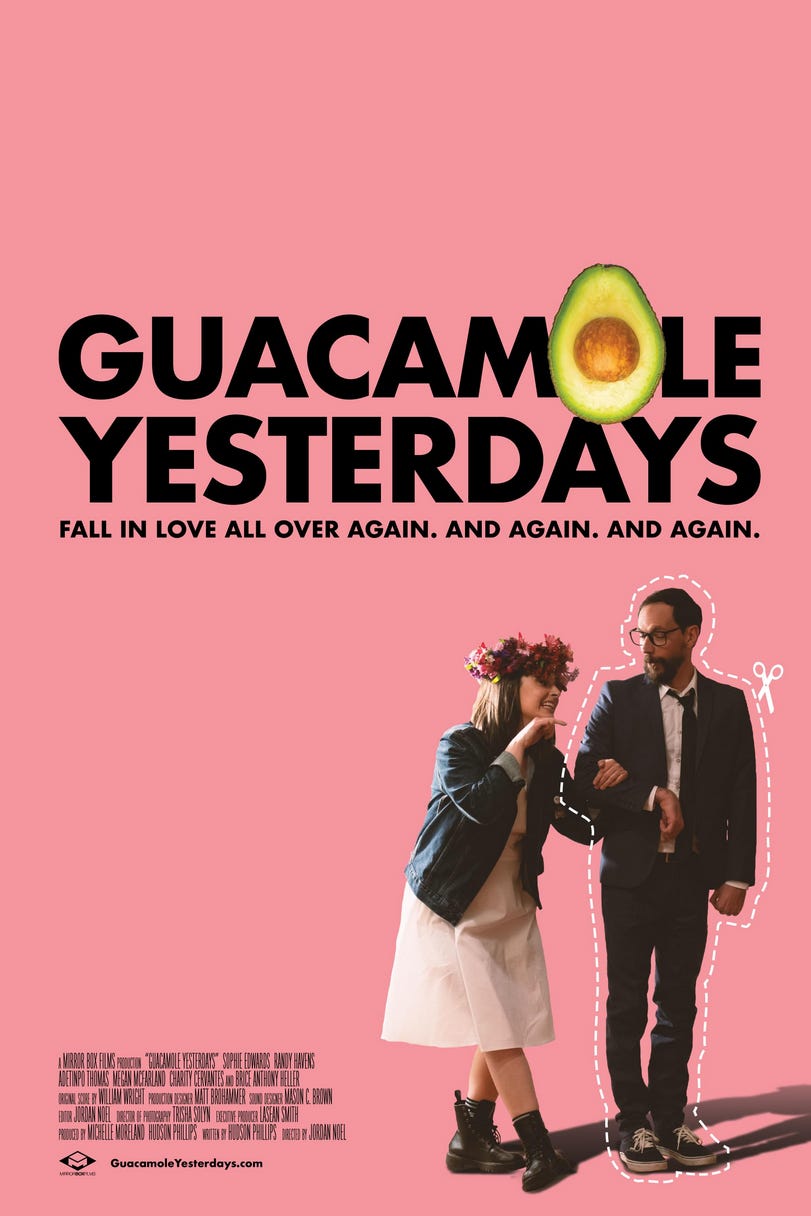
In the ever-changing landscape of cinema, micro-budget films are starting to gain ground as budgets get smaller and attention spans get shorter. Guacamole Yesterdays stands as a sharply crafted example of what’s possible when vision, restraint, and great storytelling come together on a micro-budget. Created by Mirror Box Films, a boutique indie production company led by writer/producer Hudson Phillips and director/editor Jordan Noel, the film is a poignant, genre-infused meditation on memory, grief, and lost love. With its feet firmly planted in science fiction and its heart reflecting the human experience, the film is an example of how to stretch limited resources into something special.
At the center of Guacamole Yesterdays is Ames, an artist using a futuristic technology to revisit memories of a past relationship. The premise serves up emotional excavation rather than spectacle, offering the audience a unique look at grief. The filmmakers crafted a story that feels ambitious without relying on expensive visual effects. It reminded me at times of Eternal Sunshine of the Spotless Mind, in the way it presents memory not as a glossy device, but as an unreliable construct. Storytelling that gets inside your psyche and holds your attention.
The production was designed to operate lean. Principal photography was anchored around a small cast, led by Sophie Edwards, Adetinpo Thomas, and Randy Havens. The use of minimal locations, primarily interiors like Ame’s studio, her therapist's office and a few other interesting spots kept logistics manageable and costs low. Jordan Noel not only directed, but also edited the film, and the compact crew included close collaborators like cinematographer Trisha Solyn, who brings a quiet beauty to each frame. The use of sound design also helped to elevate otherwise modest environments into evocative narrative spaces.
Mirror Box Film’s ethos of resourceful filmmaking is a recurring theme on their Substack where they chronicle their journey with transparency and wit. Philips explores both the emotional labor and financial strategizing that go into micro-budget features. His posts make it clear that their process isn’t just about saving money, it’s about being intentional, knowing your limitations, and designing a film that works within them rather than against them.
After winning the Best Feature Film Award at the Georgia Film Fest the team didn’t wait for a distributor to come knocking. Instead, they took the film out on the road. They toured cities across the USA in cities like Salem, Charlotte, Knoxville, Atlanta, and Astoria, often pairing screenings with Q&A sessions and community driven events. These screenings created moments of direct connection between the filmmakers and their audience, turning the release into a traveling dialogue instead of the traditional passive releases many indies go with. Audience reactions were enthusiastic, with viewers praising the film’s honesty, humor, and emotional resonance.
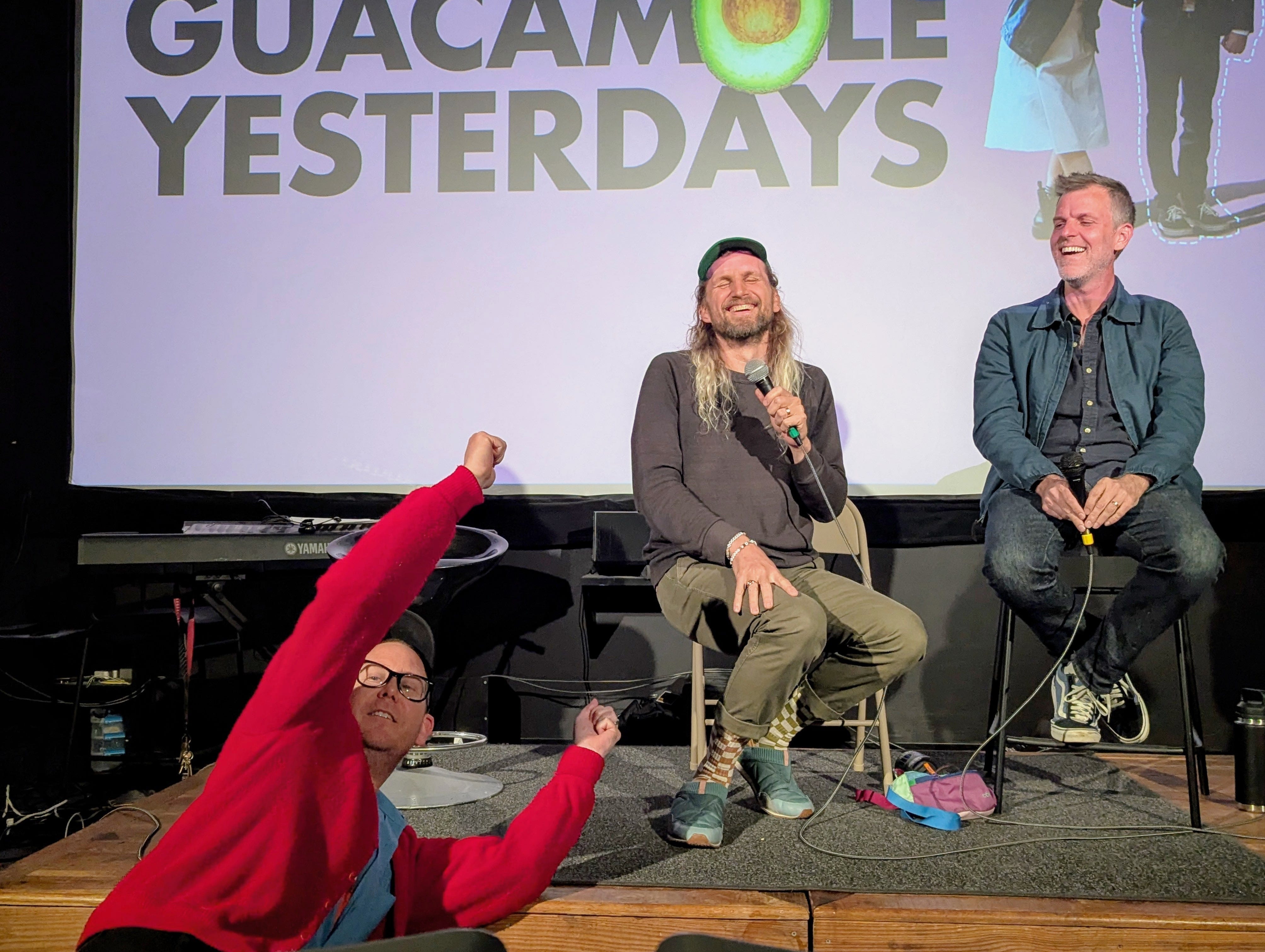
Mirror Box Film’s choice to self-distribute wasn’t made lightly. On their Substack, they detailed the decision to forgo traditional distribution, citing a desire to retain control over placement, pricing, and audience engagement. Rather than accept deals that often leave indie filmmakers with little to show for their efforts.
Ultimately, Guacamole Yesterdays proves that a micro-budget film can be deeply resonant, and successful when the right systems are in place. Mirror Box Films embraced every stage of the process, from writing, to marketing and distribution. They understood that their best shot at success and sustainability wasn’t about waiting for permission, but creating momentum themselves. By keeping overhead low, focusing on story and performance, and connecting directly with audiences, they demonstrated a repeatable model for filmmakers looking to sustain careers outside of the traditional industry machine.
Guacamole Yesterdays doesn’t just tell a story about memory, it becomes a memory in motion, passed from filmmaker to viewer, from one yesterday to the next.
Wow, thank you so much Donny for this wonderful write-up! I'm so glad you connected with the film. It makes the years of hard work all worth it!